


Milk ATM Vending Machine: How it Can Change Your Fortunes
Introduction: Tapping into Kenya’s Dairy Goldmine
Milk is more than just a beverage in Kenya; it’s a fundamental part of daily life, a staple in nearly every household. From morning tea to cooking, its demand remains consistently high across urban and rural centers. This enduring need has paved the way for innovative retail solutions, among which the Milk ATM Vending Machine stands out as a true game-changer.
While not entirely new, with several supermarkets already hosting these units, the full potential of this emerging opportunity is still largely untapped. Many small and medium-sized enterprises (SMEs) have already discovered significant success, proving that this venture can indeed be a new “cash cow.” This article will delve into how you can leverage the power of a Milk ATM Vending Machine to build a profitable and sustainable business in Kenya.
The Unfolding Potential of the Milk ATM Business in Kenya
A. Market Dynamics and Consumer Demand for Milk Dispensing Machine Kenya
The landscape of milk retailing in Kenya has witnessed exponential growth in enterprises utilizing the Milk ATM Vending Machine. This surge is largely driven by a robust consumer demand for milk and dairy products. Kenya’s per capita milk consumption is notably higher than the sub-Saharan African average, with demand projected to double by 2030 compared to 2010 levels.
This growth confirms a significant trend: consumers are actively seeking more accessible and affordable milk options. The convenience of purchasing exact desired quantities, coupled with competitive pricing, makes the Milk Dispensing Machine Kenya an attractive alternative to traditional packaged milk. It caters effectively to low- and middle-income consumers, who are particularly sensitive to price points, yet its benefits extend to all income categories.
B. Why Invest in an Automated Milk Vending Business?
 Investing in an Automated Milk Vending Business offers several compelling advantages for entrepreneurs. Firstly, these machines significantly reduce operational overheads by eliminating the need for costly packaging and extensive processing. This efficiency directly translates into lower retail prices for consumers, creating a win-win scenario.
Secondly, the automated nature of these transactions simplifies sales monitoring and inventory management. Business owners can easily track sales turnover, understand consumer patterns, and manage their stock more effectively. This automation minimizes human error and enhances operational transparency.
Furthermore, the flexibility to dispense milk in any desired volume, starting from as low as KSh 10, empowers consumers with variable purchasing capacities. This adaptability broadens the customer base and encourages more frequent purchases. The widespread adoption of the Milk ATM Vending Machine has also stimulated a vibrant business ecosystem, fostering employment opportunities across the dairy value chain, from farmers to technicians.
Setting Up a Milk ATM in Kenya: A Step-by-Step Guide to Success
A. Strategic Location Selection for Your Automated Milk Vending Business
The success of any Automated Milk Vending Business hinges critically on its location. The secret lies in achieving economies of scale, which means attracting a high volume of walk-in customers. Therefore, selecting an adequately populated area with significant foot traffic is paramount.
Ideal locations include bustling residential zones, vibrant shopping complexes, local markets, and even partnerships with established supermarkets. A revenue-sharing agreement with a renowned retailer can significantly boost daily sales volumes. When scouting for a site, consider factors like easy accessibility for both customers and milk suppliers, availability of public amenities such as reliable electricity and clean water, and proper sewerage systems.
Security is another vital consideration; choose a location that minimizes risks of theft or vandalism, perhaps near a police station or with existing CCTV surveillance. It is crucial to conduct a thorough market analysis to identify areas with high demand and minimal competition from other milk ATM businesses. This strategic approach ensures your Milk ATM Vending Machine is positioned for maximum profitability.
B. Procuring the Right Milk ATM Vending Machine

Choosing the right Milk ATM Vending Machine is a pivotal decision that impacts your business’s efficiency and longevity. Machines vary significantly in capacity, typically ranging from 200 liters to over 1000 liters. It’s advisable to start with a capacity that meets initial demand, with the flexibility to upgrade as your customer base grows.
Key features to look for include accurate dispensing mechanisms, ensuring customers receive precise quantities for their money. A self-cleaning system is indispensable for maintaining hygiene and minimizing manual effort, preventing bacteria buildup. The machine’s construction material is also critical; food-grade stainless steel (specifically 304) is essential for preventing contamination and preserving milk quality.
An internal cooler that maintains milk temperature below 4°C is vital for preventing spoilage and extending shelf life. Additionally, opt for machines with low power consumption to keep operational costs down. Modern machines often come with automated sales tracking and password protection features, enhancing business management and security.
Reputable local manufacturers like SASET Technical Services and Gditech are excellent sources for high-quality machines. Locally manufactured machines are often more affordable and easier to transport, saving you cash. Crucially, ensure your chosen Milk Dispensing Machine Kenya is approved by both the Kenya Bureau of Standards (KEBS) and the Kenya Dairy Board (KDB), guaranteeing compliance with national quality and safety regulations. Always inquire about warranty and comprehensive after-sales service, including installation, training, maintenance, and readily available spare parts.
C. Establishing a Reliable Dairy Vending Solutions Kenya Supply Chain
A consistent and high-quality milk supply is the lifeblood of any Dairy Vending Solutions Kenya enterprise. Most successful operators source already-pasteurized milk, primarily from mini-dairies/processors, major processors, or farmer cooperatives. This ensures the milk is ready for dispensing, adhering to regulatory requirements.
While a small percentage of operators pasteurize milk themselves or use independent co-pasteurization services, sourcing pre-pasteurized milk simplifies operations. When establishing your supply chain, take time to visit surrounding rural areas to compare costs and quality before settling on the most feasible source. Quality control is paramount; ensure your suppliers adhere to strict hygiene standards.
Milk is typically delivered in 50-liter cans, and the use of tamperproof cans is highly recommended to safeguard milk integrity during transit. To guarantee consistent supply and prevent your business from running dry, it is wise to have your suppliers sign formal contracts. Furthermore, consider establishing relationships with multiple suppliers to create a contingency plan in case one source faces disruptions. For high sales volumes, investing in additional cold storage, such as a milk cooler or chest freezer, is essential to maintain milk at optimal temperatures.
D. Navigating Licensing and Regulatory Frameworks for Your Milk ATM Investment Kenya
Operating a Milk ATM Investment Kenya requires strict adherence to various licenses and regulatory frameworks. Compliance ensures legality, builds consumer trust, and avoids costly penalties. The primary regulatory body is the Kenya Dairy Board (KDB), which issues permits for operating milk vending machines and selling pasteurized milk.
The KDB permit typically costs between KSh 1,000 and KSh 5,000 annually, requiring yearly renewal. The KDB conducts risk-based inspections of milk handling premises to ensure compliance with the Dairy Industry Act Cap 336 and other public health regulations. Non-compliance can lead to the suspension of your license, underscoring the importance of continuous adherence to their rules and standards for milk quality and safety.
In addition to the KDB permit, you will need a County Single Business Permit, which varies in cost from KSh 5,000 in remote counties to as high as KSh 50,000 in urban centers like Nairobi and Mombasa, depending on your business size and location. A Food Handling License, obtained from the Ministry of Health for approximately KSh 6,000 per year, is mandatory for anyone handling and selling food products. This requires a medical examination and food hygiene training.
Furthermore, a Health Certificate from the Public Health Department, costing around KSh 2,000 annually, verifies that your business adheres to hygiene and sanitation standards. Finally, a Fire Safety Certificate, typically KSh 1,000 per year, confirms that your premises meet fire safety standards. Beyond these permits, ensuring your Milk ATM Vending Machine and the milk it dispenses meet Kenya Bureau of Standards (KEBS) quality standards is crucial for consumer safety and business reputation.
Operational Excellence and Maximizing Profitability
A. Daily Operations and Hygiene Standards for Your Milk Dispensing Machine Kenya
 Maintaining impeccable hygiene is non-negotiable for any Milk Dispensing Machine Kenya business. Regulations mandate that the ATM is cleaned at least once every 24 hours to assure milk quality and minimize spoilage. This includes thorough cleaning of the internal tanks, dispensing nozzles, and the machine’s exterior. Many modern machines come with self-cleaning mechanisms, significantly simplifying this crucial task.
Reliable access to electricity and clean water is fundamental for the continuous operation of the cooling system and for cleaning purposes. Any interruption can compromise milk quality and lead to losses. The internal cooler must consistently maintain milk at temperatures below 4°C to inhibit bacterial growth. Beyond machine hygiene, maintaining a clean shop environment and providing excellent customer service are vital for building trust and retaining your clientele.
B. Financial Projections and Return on Milk ATM Investment Kenya
The Milk ATM Investment Kenya offers a promising financial outlook. Let’s break down the potential costs and returns.
Startup Costs:
- Milk ATM Vending Machine: KSh 90,000 to KSh 300,000, depending on capacity and features. A basic 200-liter model might cost around KSh 150,000.
- Licensing and Permits: Approximately KSh 10,000 to KSh 20,000 annually for initial setup.
- Rent/Lease: KSh 10,000 to KSh 50,000 per month, depending on location.
- Initial Milk Supply: Around KSh 50,000 for initial stock.
- Marketing and Advertising: An initial budget of KSh 10,000.
- Total Startup Cost: Roughly KSh 245,000 for a basic setup.
Monthly Expenses:
- Milk Supply: This will be your largest variable cost, depending on sales volume.
- Utilities (Electricity, Water): KSh 5,000 or more, depending on consumption.
- Maintenance and Repairs: Allocate around KSh 5,000.
- Rent: As above.
- Marketing: KSh 5,000 for ongoing efforts.
Average Prices of Milk ATM Vending Machines in Kenya
|
Machine Capacity (Liters) |
Estimated Price Range (Ksh) |
Key Features |
|
50-150 |
80,000 – 110,000 |
KEBS/KDB Approved, Food-Grade Stainless Steel, Accurate Dispensing (from Ksh 10), Low Power Consumption |
|
200 |
115,000 – 150,000 |
KEBS/KDB Approved, Food-Grade Stainless Steel, Self-Cleaning, Internal Cooler (<4°C), Accurate Dispensing, Sales Tracking, Warranty, Low Power Consumption |
|
300 |
150,000 – 200,000 |
KEBS/KDB Approved, Food-Grade Stainless Steel, Self-Cleaning, Internal Cooler (<4°C), Accurate Dispensing, Sales Tracking, Warranty, Low Power Consumption |
|
500-1000 |
(Higher, not specified) |
KEBS/KDB Approved, Food-Grade Stainless Steel, Self-Cleaning, Internal Cooler (<4°C), Accurate Dispensing, Sales Tracking, Warranty, Low Power Consumption |
Licenses for Milk ATM Operations
|
License Type |
Issuing Authority |
Estimated Annual Cost (Ksh) |
Key Requirements/Notes |
|
KDB Permit |
Kenya Dairy Board (KDB) |
1,000 – 5,000 (plus 600 one-time application) |
Follow KDB rules for milk quality and safety |
|
County Single Business Permit |
Local County/Municipal Office |
5,000 – 20,000 |
Varies by business size and location |
|
Food Handling License |
Ministry of Health |
6,000 |
Medical exam, food hygiene training |
|
Fire Safety Certificate |
Fire Department |
1,000 |
Business premises meet fire safety standards |
Revenue Potential:
A well-established Milk ATM Vending Machine business can sell over 200 liters of milk per day. This is largely due to the fact that ATM milk is of comparable quality to packaged milk but is significantly cheaper, often by 30% to 46%. Assuming an average selling price of KSh 65 per liter and buying at KSh 50 per liter, selling just 100 liters per day yields a gross profit of KSh 15 per liter, totaling KSh 45,000 per month from milk sales alone.
With daily sales of 200 liters, monthly revenue can reach KSh 300,000, potentially leading to a monthly profit of KSh 120,000 after deducting expenses. Many entrepreneurs report monthly profits ranging from KSh 70,000 to KSh 120,000. There’s even greater potential if you partner with a renowned retailer, such as a supermarket, on a revenue-sharing agreement, significantly increasing your daily sales volume. Diversifying your offerings by including other dairy products like yogurt and mala, or even non-milk items like bread, eggs, and snacks, can further boost your profitability.
Addressing Challenges and Ensuring Sustainability for Your Automated Milk Vending Business
While the Automated Milk Vending Business offers immense potential, entrepreneurs must be aware of and prepared to mitigate certain challenges to ensure long-term sustainability.
A. Quality and Safety Concerns in Dairy Vending Solutions Kenya
 One of the most critical challenges revolves around milk quality and safety. Despite regulations requiring pasteurized milk, field observations have shown instances of some ATMs dispensing raw milk, which poses serious health hazards. Furthermore, high bacterial loads have been detected in some pasteurized ATM milk, often linked to poor hygienic handling practices, power and water interruptions, or inadequate sanitation at the source. There have even been reports of hydrogen peroxide and antibiotics in some ATM milk samples.
To mitigate these risks, strict adherence to KDB and KEBS standards is paramount. This includes rigorous quality control checks at the milk source, ensuring proper pasteurization, and maintaining the cold chain throughout transportation and storage. Regular inspections by regulatory bodies should be welcomed, and operators must invest in reliable power backups and clean water supplies to prevent temperature fluctuations and contamination. Continuous training on hygienic milk handling practices for all personnel is also essential.
B. Operational Hurdles for Setting Up a Milk ATM in Kenya
 Operational challenges can also impact the smooth running of your Milk ATM Vending Machine business. Power outages are a common issue in Kenya, which can lead to milk spoilage if the cooling system fails. Water supply interruptions can hinder cleaning processes, compromising hygiene. Machine breakdowns, while infrequent with quality equipment, can lead to lost sales and costly repairs if not addressed promptly.
To overcome these, investing in a reliable power backup system, such as a generator or an inverter, is crucial. Regular, preventative maintenance of your Milk Dispensing Machine Kenya is vital to minimize breakdowns; choose machines with good warranties and readily available spare parts. Security measures, including selecting a secure location and potentially installing CCTV cameras, can deter theft and vandalism.
C. Competition and Market Saturation
As the Milk ATM Vending Machine business grows, so does competition. The raw milk market remains a significant competitor due to its even lower price point, though it lacks the safety assurances of pasteurized milk. The increasing number of ATMs, particularly in urban centers, can also lead to market saturation in certain areas.
To thrive amidst competition, focus on offering a unique value proposition. This could involve superior customer service, maintaining impeccable hygiene standards that build trust, or offering competitive pricing without compromising quality. Diversifying your product range beyond fresh milk, as mentioned earlier, can also attract a wider customer base. Strong branding and effective marketing strategies are key to standing out in a crowded market.
The Future of Milk ATM Vending Machine in Kenya
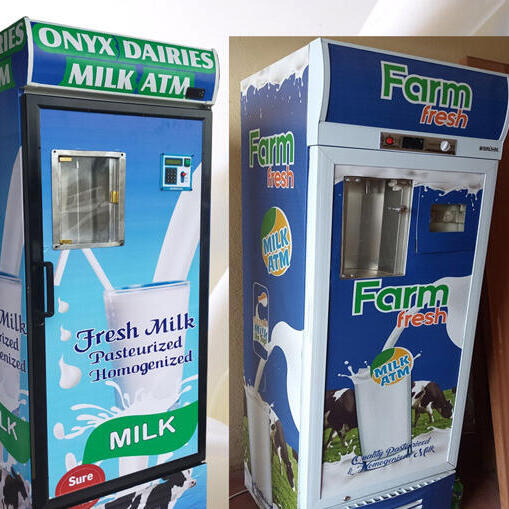 The future of the Milk ATM Vending Machine in Kenya appears bright, driven by ongoing innovation and evolving consumer needs. Technological advancements are continually improving machine efficiency, with features like remote monitoring, enhanced self-cleaning capabilities, and improved energy efficiency becoming standard. These innovations will further streamline operations and reduce running costs.
There is significant potential for expansion into new markets, including peri-urban and even select rural areas, as infrastructure improves and demand for affordable, safe milk grows. The integration of mobile payment systems, already prevalent in Kenya, will further enhance convenience for customers. Ultimately, the Milk ATM Vending Machine plays a crucial role in formalizing the informal milk market, ensuring safer milk for consumers, and providing a stable, profitable outlet for smallholder dairy farmers. This symbiotic relationship underscores its long-term viability and positive socio-economic impact.
Conclusion: Your Path to a Prosperous Milk ATM Venture
The Milk ATM Vending Machine business in Kenya presents a compelling and accessible pathway to entrepreneurship and financial prosperity. It leverages a fundamental consumer need for milk, offering a cost-effective and convenient solution that resonates deeply with the Kenyan market. From the initial strategic location selection to the meticulous procurement of a high-quality Milk Dispensing Machine Kenya, every step is crucial for success.
Navigating the regulatory landscape, establishing a reliable supply chain, and maintaining stringent hygiene standards are non-negotiable pillars of this venture. While challenges such as quality control and operational hurdles exist, they are manageable with proactive planning and adherence to best practices. The significant profitability potential, coupled with the opportunity for diversification and expansion, makes this an attractive Milk ATM Investment Kenya. By embracing operational excellence and focusing on customer trust, entrepreneurs can truly change their fortunes.
How to Place an Order
Ordering a milk ATM from Saset Ltd is simple and convenient. You can choose any of the following methods:
Call Us
Give us a call at +254 727 38 48 26 or +254 101 74 74 47 to speak with our friendly and knowledgeable staff. They will guide you through the ordering process and answer any questions you may have.
Send us a message on WhatsApp at +254 727 38 48 26 or +254 101 74 74 47 with your name, location, and the product you wish to order. We will respond promptly to confirm your order.
You can also place an order via email by sending your name, location, and product details to info@saset.co.ke. Expect a response within 24 hours to confirm your order.
Contact Form
Visit our Contact Us page and fill out the form with your name, email, phone number, location, and product details. We will get back to you shortly to confirm your order.
Visit Us
Find us on Google or visit our office/showroom in Ruiru, Kimbo, Thika Road, at the Toll Station bus stop, next to Rubis Petrol Station.
We look forward to serving you with our high-quality products and excellent customer service!


Still window shopping for a pasterizer. Beautiful idea of the milk ATM please share a video.
Thankd Anne Uganda
Hi Ann,
Thank you for your inquiry. Kindly get in touch with us via WhatsApp on +254727384826 so we can share the video.